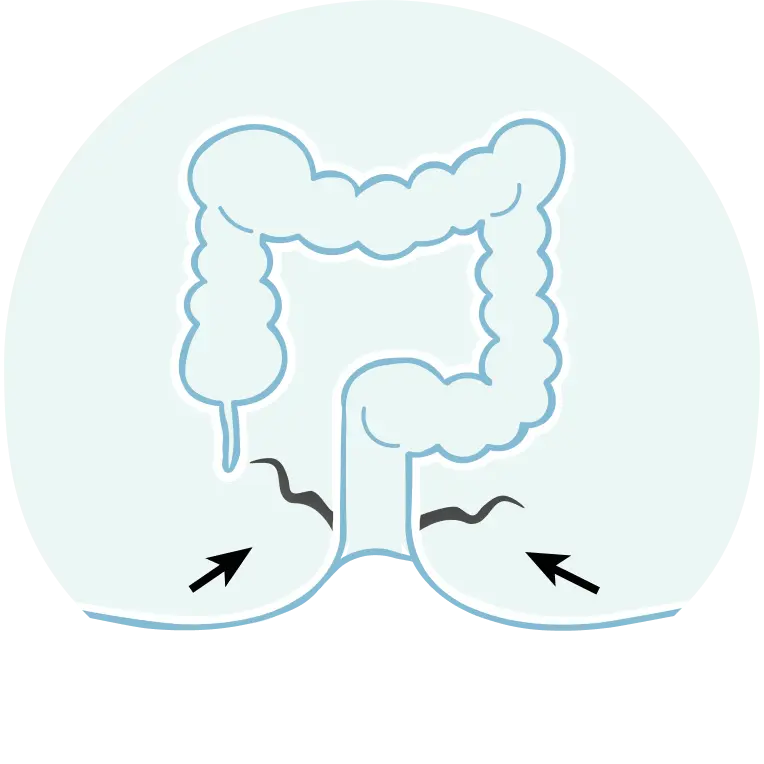
What is a Chronic Anal Fissure?
An anal fissure is a minor anal tear or cut in the lining of the anus, yet it is synonymous with some of the most intense, sharp tearing pain a patient can experience, often accompanied by rectal bleeding. Mayo Clinic confirms that anal fissures are common and can occur at any age, usually caused by passing hard or large stools. The NHS notes that most fissures heal within a few weeks, but specialist care is essential for chronic cases. Typically caused by straining during defecation or passing large or extremely hard stools, the tear triggers a severe sphincter spasm. This limits blood flow to the tear site, preventing it from healing and keeping a patient in constant agony.
Telltale Symptoms
- A sensation akin to passing broken glass during movement.
- Sharp, intense pain that can last for hours after bowel motions.
- A visible crack or a small lump/skin tag forming near the tear.
- Light pink patches or bright red droplets of blood on the toilet paper.
Non-Surgical Fissure Treatment at Our Ranchi Clinic
The priority in fissure treatment is completely relaxing the anal sphincter so the cut can receive natural blood flow and heal. Many patients let it become a "chronic" issue by neglecting it.
Our Tailored Approach
The specialists at PILES CURE CLINIC apply staged therapeutic healing:
- Ointments & Diet Protocols: The use of topical muscle relaxants and dietary shifts often resolves minor, acute fissures.
- Minimally Invasive Interventions: For a chronic anal fissure where the muscle won't relax, advanced treatments like a laser sphincterotomy are highly effective. By relaxing these muscles, the blood flows freely to the fissure resolving the issue inherently.
- Modern Equipment: Precision techniques mean the procedure is extraordinarily safe and remarkably effective.
Frequently Asked Questions
How do I know if I have a fissure or piles?
While both can cause bleeding, a fissure typically causes sharp, tearing pain during and after bowel movements, like passing broken glass. Piles are usually swollen veins that may or may not be painful. Our specialists in Ranchi can provide an accurate diagnosis.
Can an anal fissure heal without surgery?
Yes, many acute anal fissures can heal with dietary changes, stool softeners, and topical ointments. However, chronic fissures that fail to heal often require minimally invasive interventions to relax the sphincter muscle.
What is the laser treatment for fissure?
Laser sphincterotomy is a highly precise, minimally invasive procedure where laser energy is used to slightly relax the anal sphincter muscle. This reduces spasms, allows blood flow to return, and enables the fissure to heal rapidly.